
Steak & Kidney Pudding
A perfect traditional recipe for a cold winter's day when you have hungry mouths to feed.

Ingredients
- 225g trimmed ox kidney (or 3 very fresh lamb kidneys) N.B. AVAILABLE IN-STORE ONLY
- 700g stewing steak, trimmed, cut into 2.5cm cubes
- 3 tbsp well-seasoned plain flour
- Freshly ground black pepper
- 4-5 tbsp sunflower oil
- 1 medium onion, peeled, sliced
- 200ml red wine
- 4-5 sprigs fresh thyme, stripped from stalks
- 1 fresh bay leaf
- 500ml beef stock
- 1 tbsp tomato purée
- Worcestershire Sauce (optional)
- 350g self-raising flour
- 175g shredded suet
- Fine sea salt
- Butter, for greasing
Products used in this recipe

Step 1
You may want to soak your ox kidneys in milk for 30 mins before proceeding to take away some of the strong flavour.
Preheat the oven to 170ºC/350ºF/Gas 3.
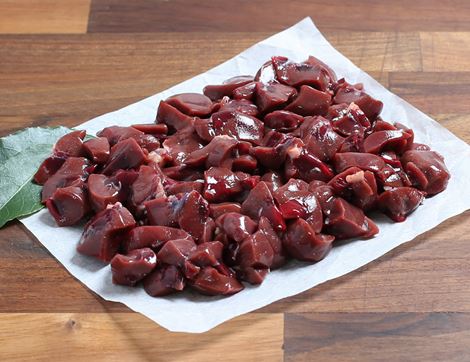
Rinse the kidneys, whether you have soaked them in milk or not, and pat dry with kitchen paper. Cut the kidneys in half, snip out the white cores and cut the kidneys into roughly 1.5cm pieces. Toss the steak and the kidney pieces in the seasoned flour until well coated.
Step 2
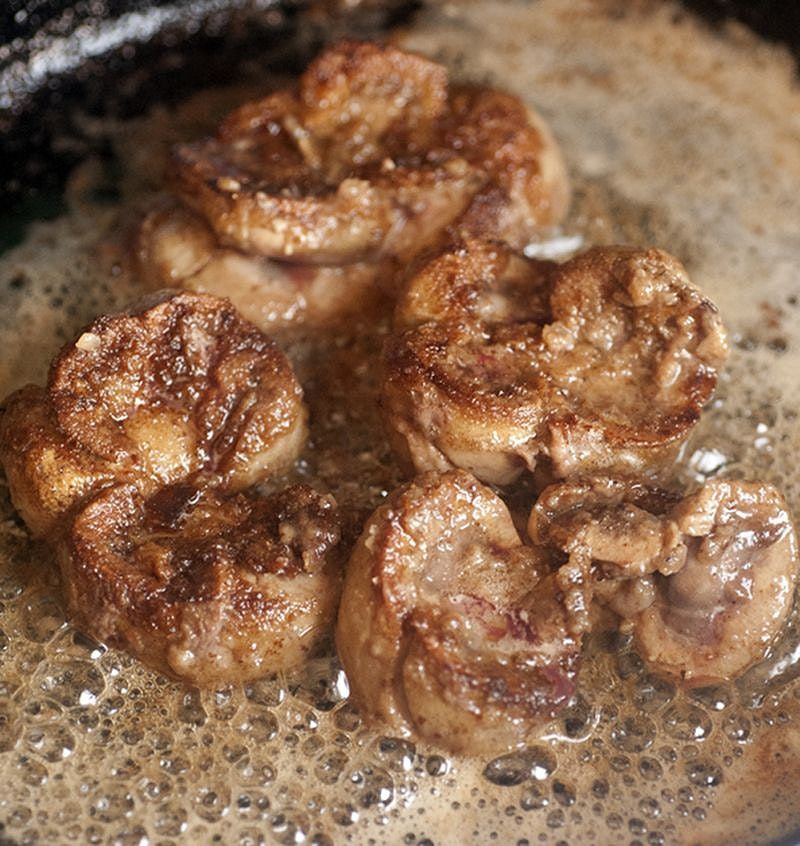
Heat two tablespoons of the oil in a large frying pan and fry the steak over a medium heat, adding extra oil as needed, until the steak is well-browned all over. Remove the steak from the frying pan with a slotted spoon and transfer to a flameproof casserole. Repeat the process with the kidneys, frying on both sides until well-browned. Remove the kidneys from the frying pan with a slotted spoon and transfer to the casserole. Now add the onion. Cook the onion over a low heat, stirring often, for five minutes, or until softened. Stir the cooked onion into the casserole with the beef and kidneys.
Step 3
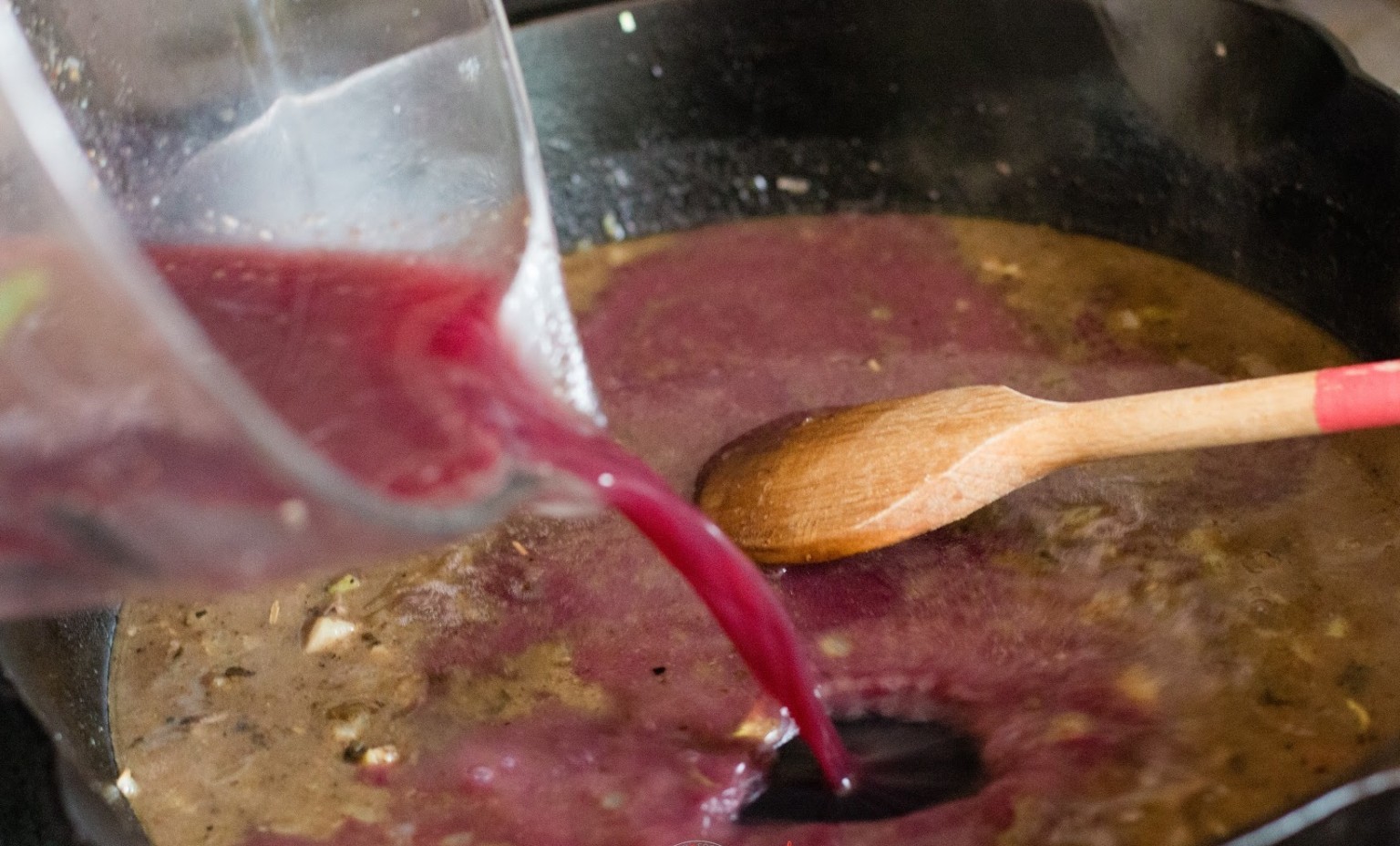
Deglaze the frying pan with the wine, bringing it to the boil while stirring to lift all the browned bits from the bottom of the pan. Pour the mixture immediately over the beef, kidneys and onion. Stir in the thyme, bay leaf, beef stock and tomato purée, and a few drops of Worcestershire Sauce, if using.
Bring the beef mixture to a lively simmer. Remove four ladles of the sauce for gravy and set aside in a bowl to cool. When cooled, set it aside in the fridge for using later. Cover the casserole and transfer to the oven to cook for 2 hours, until the beef is tender (stir the mixture halfway through cooking).
Return the casserole to the hob and simmer the mixture for 2-3 minutes, or until the sauce is thick enough to coat the back of a spoon. When the sauce is thick enough, remove from the heat and leave to cool.
Step 4
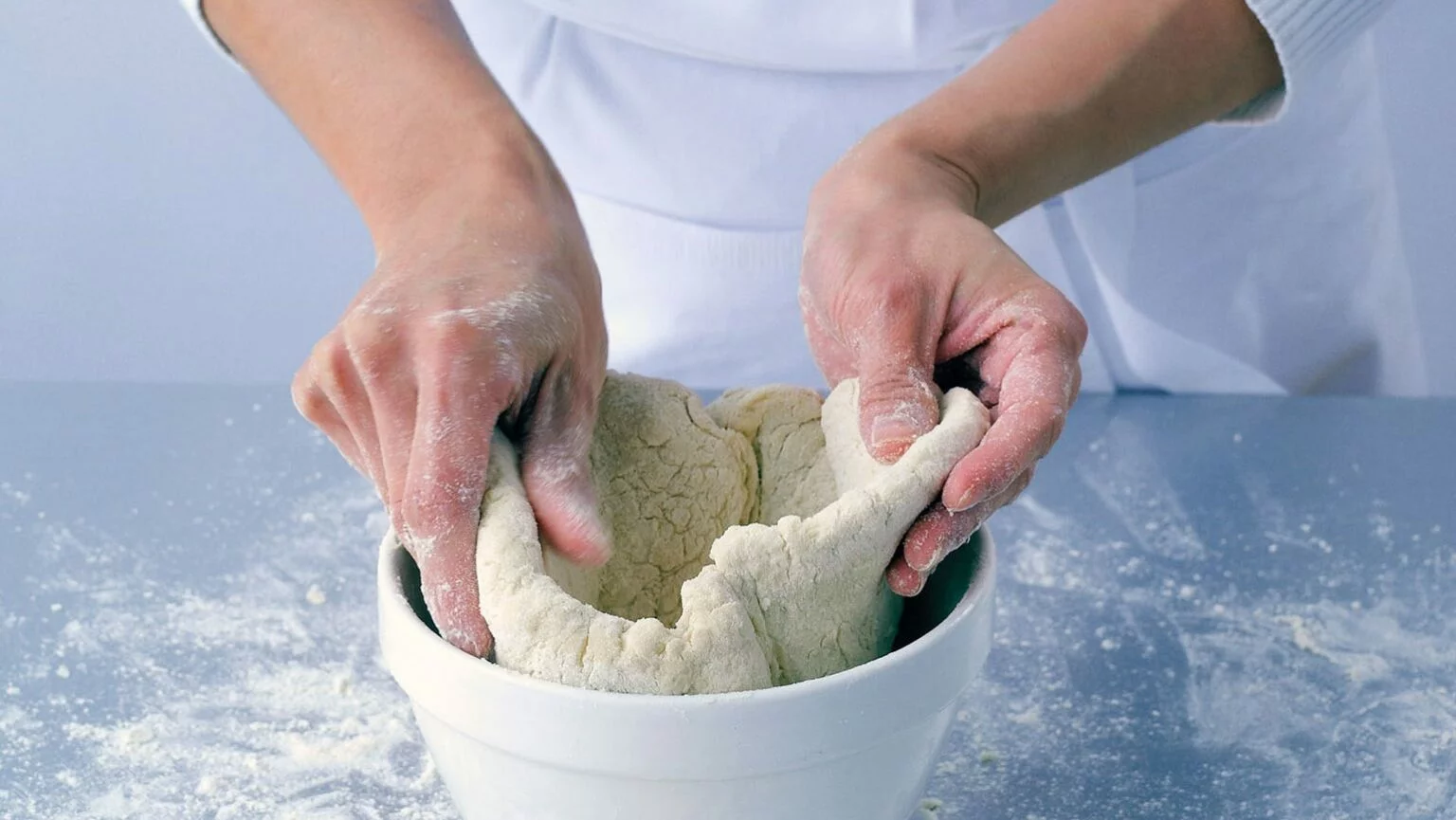
To make the pastry, first sift the flour and ½ teaspoon of salt into a large mixing bowl. Add ground black pepper, then add the suet and mix it into the flour using the blade of a knife. Add a few drops of cold water and start to mix with the knife, using curving movements and turning the mixture around. The aim is to bring it together as a dough, so keep adding drops of water until it begins to get sticky. Now use your hands and bring it all together until you have a nice smooth dough, which leaves the bowl clean. Suet pastry always needs more water than other types, so if it is still a bit dry just go on adding a few drops at a time – you may use around 300ml of water.
Reserve a generous quarter of the dough for the lid, then roll the rest out into a circle, about 12 inches in diameter and 1 cm thick. Butter the inside of your pudding basin very thoroughly, ensuring there are no bare gaps left. Now line the bowl with the pastry, pressing it well all around and trim the edges; it should sit about 1cm above the edge of the basin.
Step 5
Spoon the steak and kidney mixture into the pastry-lined pudding basin. Brush the rim of the pastry with water. Roll the remaining pastry into a circle just large enough to sit on top of the pudding dish and place it over the filling. Trim into place and press the edges together well to seal.
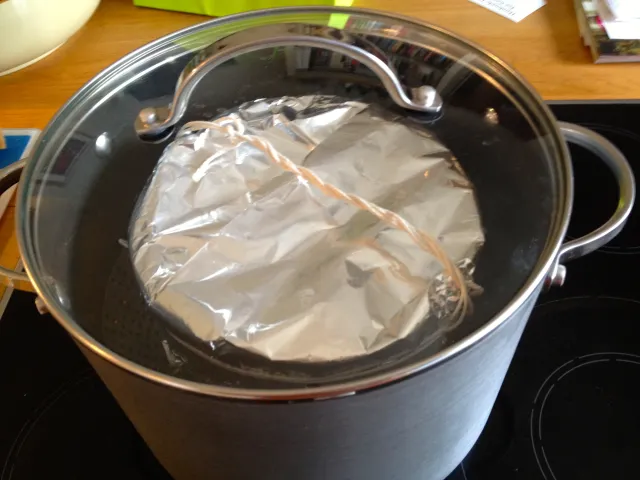
Cover the dish with a large circle of baking parchment, with a pleat in the middle to allow for expansion. Cover the parchment with a circle of aluminium foil, again with a pleat. Secure both covers tightly with string. Create a carrying handle by tying extra string across the top of the basin – this will help you lift the pudding out of the pan after it’s cooked.
Place the pudding onto an upturned saucer in a large, deep saucepan and add enough just-boiled water to come halfway up the sides of the basin. Cover the pan with a tight-fitting lid and place on the hob over a medium heat. Steam the pudding in simmering water for 2½ hours, adding more water as necessary *check often so it doesn’t boil dry*.
Step 6
When the pudding is cooked through, turn off the heat and carefully lift the basin from the water. Let the pudding stand for five minutes.
Heat the reserved gravy on the hob, stirring, until the gravy is bubbling and heated through. Serve on the table in a jug.
Cut the string, foil and paper off the pudding basin. Run a blunt-ended knife around the inside of the pudding basin to loosen the sides of the pudding and invert it onto a deep plate. Serve in generous wedges with hot gravy.
More Recipes

Triple Cooked Chips
Chunky, fluffy, crispy chips; perfect with steak!
Ox Tail Soup
Oxtail Soup is the perfect winter warmer. Cheap, nutritious & tasty, it's well worth taking the time over!